
Pediatric specialist consulting with a child patient in a warm clinical setting
Pediatric Pain Medicine · Boston, MA

Your child's painhas a name.And a treatment plan.

We translate "it hurts everywhere" into targeted nerve blocks, biofeedback protocols, and graded motor imagery — for children who've been told their pain isn't real.

94%
Functional improvement at 6 months
11
Avg. prior providers before Soothe
48h
Average intake-to-first-appointment
We saw eleven doctors in three states before someone finally explained what was actually happening in her nerves.

Maya, age 9, laughing and recovered after CRPS treatment at Soothe
Rebecca M.
Maya, age 9 · Complex Regional Pain Syndrome
Treated by Dr. Avery Walsh, MD
Pediatric Pain Medicine · Board Certified
🏥
Board Certified
Pediatric Pain Medicine
Joint Commission
Accredited Facility
🎓
Academic Affiliate
Harvard Medical School
📄
Peer-Reviewed
40+ published protocols
🛡
Insurance Accepted
Most major plans
Dr. Avery Walsh, pediatric neuropathic pain specialist at Soothe
⚡ Neuropathic

Neuropathic Pain

Dr. Avery Walsh, MD, PhD
Pediatric Pain Medicine · Neurology
Director, Neuropathic Pain Program
"CRPS in a nine-year-old is not a mystery — it is a nervous system in crisis that we know exactly how to interrupt. My job is to show the family the map before we start walking."
Download: Understanding Your Child's CRPS

Conditions We Treat

Complex Regional Pain Syndrome (CRPS)
Disproportionate, burning pain with autonomic changes — often triggered by minor injury. Highly treatable with early, intensive intervention.
Small Fiber Neuropathy
Burning, tingling, or numbness from small nerve fiber damage. Diagnosed via skin punch biopsy. Responds to targeted nerve support.
Erythromelalgia
Episodic burning and redness, often in feet and hands. Sodium channel mutations identified; precision pharmacology available.
Post-Herpetic Neuralgia
Nerve pain persisting after shingles. Uncommon in children but undertreated. Multimodal approach reduces duration significantly.

Treatment Pathway

1
Day 1–3
Neurological Mapping
Quantitative sensory testing and autonomic assessment to locate the disrupted circuits.
2
Week 1–2
Nerve Block Protocol
Stellate ganglion or lumbar sympathetic blocks under ultrasound guidance.
3
Week 2–6
Biofeedback + GMI
Graded motor imagery and mirror therapy to retrain cortical pain maps.
4
Month 2+
Return to Function
Graded sport and school reintegration with PT and psychology co-managing.
Dr. Priya Nambiar, post-surgical pain specialist at Soothe
🔬 Post-Surgical

Post-Surgical Pain

Dr. Priya Nambiar, MD
Pediatric Anesthesiology · Pain Medicine
Director, Post-Surgical Recovery Program
"Pain that outlasts a surgical wound by more than six weeks is not patience — it is a signal that the nervous system learned something it should not have. We unlearn it together."
Download: When Surgery Pain Doesn't Stop

Conditions We Treat

Persistent Post-Surgical Pain
Pain beyond the expected healing window. Affects 10–50% of pediatric surgical patients. Preventable with early intervention.
Post-Thoracotomy Syndrome
Chest wall pain after cardiac or thoracic surgery. Intercostal nerve injury managed with targeted blocks and neuromodulation.
Post-Amputation Pain
Phantom limb and residual limb pain. Mirror therapy, graded motor imagery, and virtual reality protocols show strong pediatric outcomes.
Stalled Post-Op Recovery
Toddler or infant whose recovery plateau is unexplained. We identify the neurological bottleneck and build a specific bridge.

Treatment Pathway

1
Intake
Surgical Chart Review
Full operative record, anesthetic log, and pain trajectory mapped against normal healing curves.
2
Week 1
Regional Block Evaluation
Assessment for targeted nerve block — epidural, peripheral, or fascial plane — to interrupt sensitization.
3
Week 2–4
Desensitization Protocol
Graduated tactile exposure and pain neuroscience education for child and parents.
4
Month 1+
Functional Goals
Specific milestones: stairs, school, sport — with weekly check-ins to adjust the plan.
Dr. Tobias Reinholt, pediatric headache and migraine specialist at Soothe
🧠 Headache & Migraine

Headache & Migraine

Dr. Tobias Reinholt, MD
Pediatric Neurology · Headache Medicine
Director, Pediatric Headache & Migraine Program
"Two school years lost to migraine is a neurological emergency wearing the costume of a chronic condition. We treat it like the former and build a plan that accounts for the latter."
Download: The Pediatric Migraine Roadmap

Conditions We Treat

Chronic Daily Migraine
15+ headache days per month for over three months. Medication overuse often complicates the picture. We detox and rebuild the prevention stack.
New Daily Persistent Headache
Headache that began on a specific, remembered day and never left. Distinct pathophysiology; distinct treatment targets.
Vestibular Migraine
Dizziness, motion sensitivity, and balance issues with or without head pain. Frequently misdiagnosed as anxiety or inner ear disorder.
Post-Concussion Headache
Headache persisting beyond expected recovery after head injury. Cervicogenic component often missed; we assess and address both.

Treatment Pathway

1
Intake
Headache Phenotyping
Detailed diary review, trigger mapping, and classification of headache subtype.
2
Week 1–2
Acute Protocol
Evidence-based acute treatment ladder — triptans, NSAIDs, anti-nausea — correctly sequenced for age and weight.
3
Week 2–6
Prevention Stack
Preventive medication plus behavioral: biofeedback, sleep hygiene, and headache-specific CBT.
4
Month 2+
School Reintegration
Attendance plan, accommodation letter, and academic recovery roadmap for parents and school counselors.
Dr. Camille Osei, pediatric musculoskeletal pain specialist at Soothe
🦴 Musculoskeletal

Musculoskeletal Pain

Dr. Camille Osei, MD, MPH
Pediatric Rheumatology · Pain Medicine
Director, Musculoskeletal Pain Program
"A nine-year-old missing soccer season is not an orthopedic problem waiting for growth plates to close. It is a neuromuscular pattern we can interrupt this week, this month, this season."
Download: Getting Back to Sport After Chronic Pain

Conditions We Treat

Juvenile Fibromyalgia
Widespread musculoskeletal pain with fatigue and sleep disruption. Neurological sensitization, not tissue damage. Responds to specific exercise and sleep protocols.
Amplified Musculoskeletal Pain
Pain significantly greater than expected for a given injury or diagnosis. Often follows a stressor. Early intensive PT and psychology is curative in most cases.
Hypermobility-Related Pain
Joint hypermobility spectrum disorder causing pain, fatigue, and instability. Proprioceptive retraining and targeted strengthening.
Growing Pains — Atypical
Leg pain that does not follow the classic nighttime-only pattern. We distinguish benign from pathological and treat accordingly.

Treatment Pathway

1
Assessment
Pain Mapping
Body diagram, pressure point testing, and functional movement screen to locate the sensitized pathways.
2
Week 1–2
Graded Exercise
Prescribed aerobic and strengthening program — specific, measurable, and not "just push through it."
3
Week 2–6
Psychology Integration
Pain-specific CBT and acceptance-based therapy to address catastrophizing and fear-avoidance patterns.
4
Month 2+
Sport Return Plan
Structured return-to-sport protocol with milestones, modifications, and coach communication letter.
Dr. Soren Lindqvist, pediatric functional abdominal pain specialist at Soothe
◎ Functional Abdominal

Functional Abdominal Pain

Dr. Soren Lindqvist, MD
Pediatric Gastroenterology · Pain Medicine
Director, Gut-Brain Pain Program
"The gut-brain axis is not a metaphor — it is a bidirectional neural highway that we can measure, map, and retrain. "Functional" does not mean imaginary. It means we know exactly where to intervene."
Download: The Gut-Brain Connection in Children

Conditions We Treat

Irritable Bowel Syndrome (Pediatric)
Recurrent abdominal pain with altered bowel habits. Gut-directed hypnotherapy has the strongest evidence base of any treatment in pediatric IBS.
Functional Dyspepsia
Upper abdominal pain, nausea, and early fullness without structural cause. Visceral hypersensitivity treated with targeted neuromodulation.
Cyclic Vomiting Syndrome
Stereotyped episodes of severe vomiting. Often migraine-equivalent. Mitochondrial support and migraine prophylaxis dramatically reduce episode frequency.
Abdominal Migraine
Paroxysmal midline abdominal pain without headache — a migraine variant. Frequently misdiagnosed for years. Responds to standard migraine prevention.

Treatment Pathway

1
Intake
Gut-Brain Assessment
Rome IV criteria, autonomic function testing, and dietary trigger analysis.
2
Week 1–2
Dietary Protocol
Low-FODMAP introduction, fiber calibration, and meal timing for gut motility normalization.
3
Week 2–8
Gut Hypnotherapy
Six-session gut-directed hypnotherapy protocol — 85% response rate in pediatric IBS in controlled trials.
4
Month 2+
School & Life Return
Attendance plan, cafeteria accommodation, and anxiety management for school-triggered flares.
Parent Voices

Families who foundthe right room.

These are parents who ran out of answers elsewhere. Their words, unedited.

"
They gave our daughter a name for what was happening in her body. After two years of 'we don't see anything on the MRI,' hearing a doctor say 'this is CRPS and here is the protocol' — I cried in the parking lot.

Lily, age 10, smiling after CRPS treatment at Soothe
Jennifer K.
Lily, age 10 · CRPS Type I
Neuropathic
"
My son's migraines were stealing his childhood. Two school years, most of seventh and eighth grade. Dr. Reinholt had a specific plan within the first appointment. Three months later he's back on the swim team.
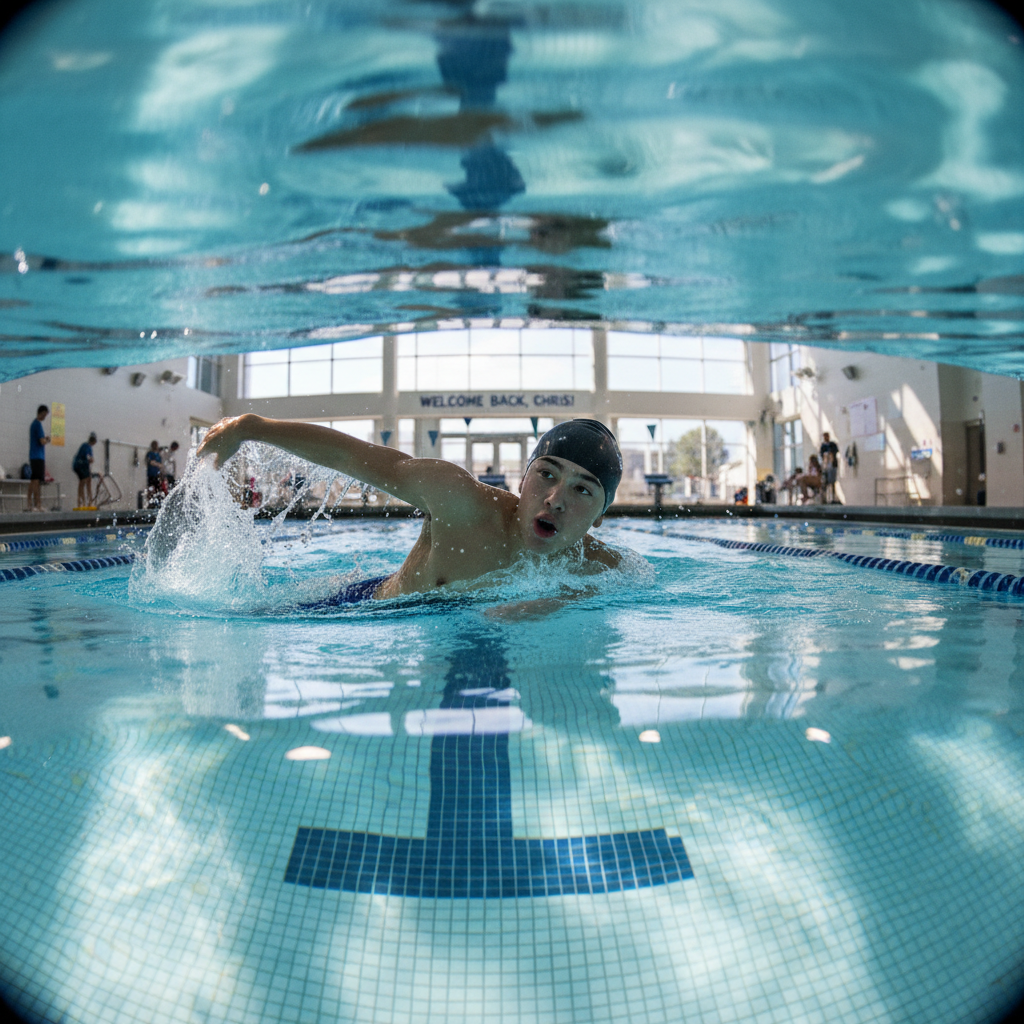
Aiden, age 14, back on the swim team after migraine treatment
Marcus T.
Aiden, age 14 · Chronic Daily Migraine
Headache
"
They gave our daughter a name for what was happening in her body. After two years of 'we don't see anything on the MRI,' hearing a doctor say 'this is CRPS and here is the protocol' — I cried in the parking lot.
Lily, age 10, smiling after CRPS treatment at Soothe
Jennifer K.
Lily, age 10 · CRPS Type I
Neuropathic
"
My son's migraines were stealing his childhood. Two school years, most of seventh and eighth grade. Dr. Reinholt had a specific plan within the first appointment. Three months later he's back on the swim team.
Aiden, age 14, back on the swim team after migraine treatment
Marcus T.
Aiden, age 14 · Chronic Daily Migraine
Headache
"
The surgery was routine. The pain that didn't stop was not. Soothe was the first place that said 'your toddler's nervous system got confused — here is how we un-confuse it.' Six weeks later she was running again.

Sophie, age 3, running and playing after post-surgical pain treatment
Danielle & Robert O.
Sophie, age 3 · Post-Surgical Stall
Post-Surgical
"
We were told she was catastrophizing. That the pain was anxiety. Dr. Osei tested her, found amplified musculoskeletal pain syndrome, and had her in intensive PT within the week. She's not catastrophizing. She's healing.

Kezia, age 12, smiling during physical therapy at Soothe
Yolanda M.
Kezia, age 12 · Amplified Pain Syndrome
Musculoskeletal
"
The surgery was routine. The pain that didn't stop was not. Soothe was the first place that said 'your toddler's nervous system got confused — here is how we un-confuse it.' Six weeks later she was running again.
Sophie, age 3, running and playing after post-surgical pain treatment
Danielle & Robert O.
Sophie, age 3 · Post-Surgical Stall
Post-Surgical
"
We were told she was catastrophizing. That the pain was anxiety. Dr. Osei tested her, found amplified musculoskeletal pain syndrome, and had her in intensive PT within the week. She's not catastrophizing. She's healing.

Kezia, age 12, smiling during physical therapy at Soothe
Yolanda M.
Kezia, age 12 · Amplified Pain Syndrome
Musculoskeletal
Free Parent Resources

Know what you'redealing withbefore your first visit.

Each guide is written by the specialist who runs that program — in plain language, with real clinical terminology so you can recognize your child's symptoms and ask the right questions.

Free Download
PDF · Clinical language · 12–18 pages

Understanding Your Child's CRPS

Written by the Neuropathic program director at Soothe.

No spam. One email with your guide. Unsubscribe anytime.

Request a Case Review

Tell us aboutyour child's case.

A Soothe specialist will review your intake within 48 hours and recommend the appropriate program — or tell you honestly if we're not the right fit and who might be.

1
Specialist Review
A program director reads your intake and matches your child's presentation to the appropriate domain.
2
48-Hour Response
You receive a personal email — not a portal notification — with next steps and, if appropriate, a scheduling link.
3
First Appointment
A 90-minute intake with the specialist, including chart review, child interview, and parent debrief with a written plan.

We do not require a referral to submit a case review. If your child's pediatrician has not yet referred, you can initiate directly. We will coordinate with your existing providers.

Intake Form

All fields are confidential and reviewed only by clinical staff.

Reviewed within 48 hours by a Soothe specialist. No referral required.